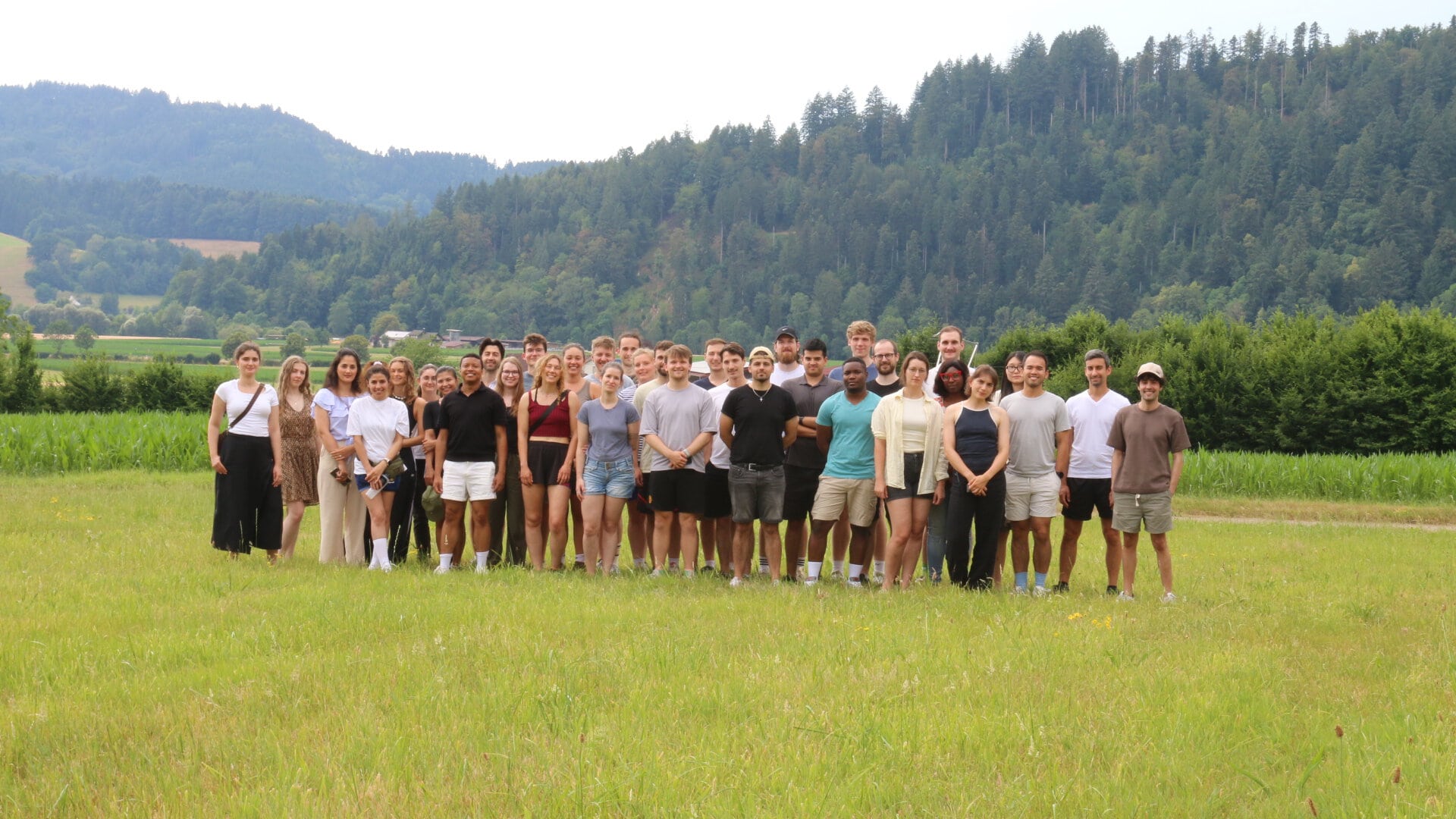
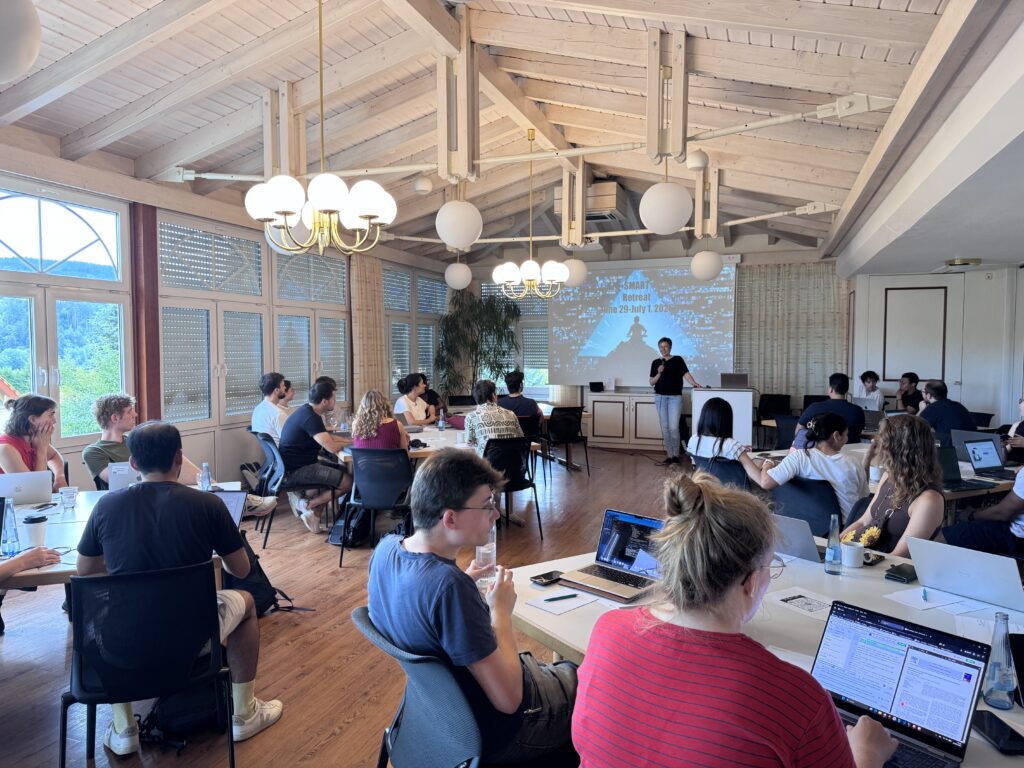
From June 29 to July 1, our doctoral researchers came together in the Black Forest for the SMART Retreat 2026.
In preparation for this year’s SMART Retreat, early career researchers met on June 18 to pitch a rich variety of topics for the Writing/Coding/Collaboration/Discussion (WCCD) sessions. During this preparation meeting, the pitches were refined: topics could be edited, merged, updated, and developed together to shape a focused and collaborative retreat program.
The organising committee — Carola Heinzel, Max Behrens, Samuel Böhm, and Nils Kober — supported the development and preparation of the scientific content and helped shape the preparation meeting and retreat structure.
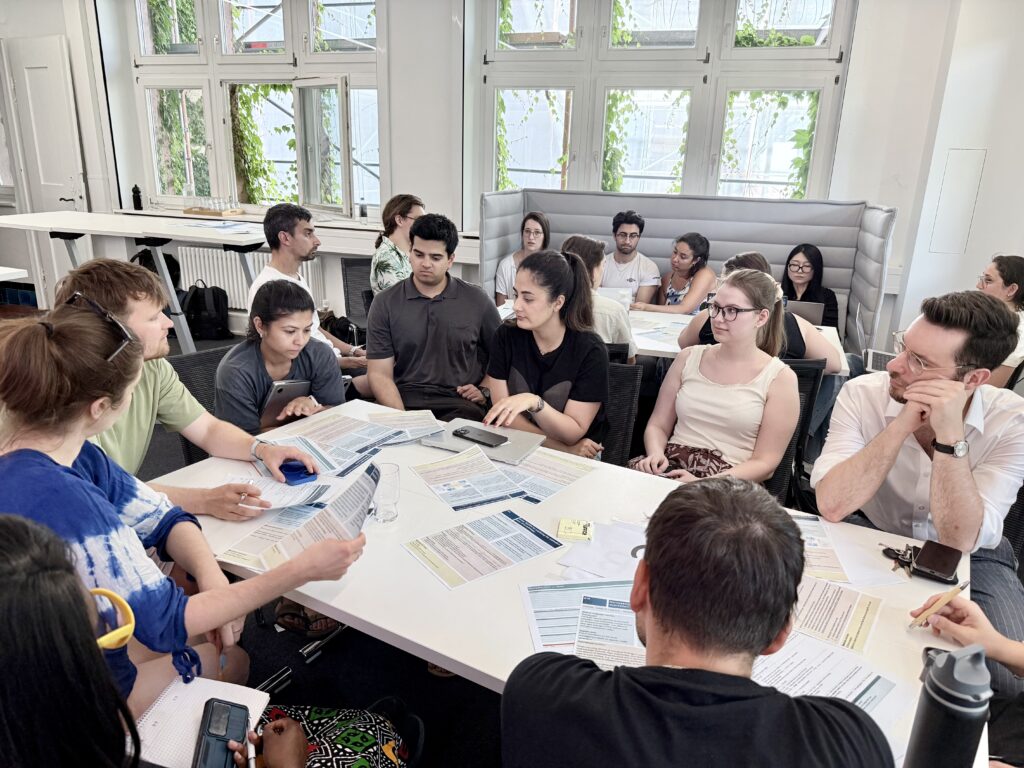
Day 1 opened with a welcome presentation by SMART PI Nadine Binder, who introduced the scientific program and outlined the goals of the retreat. This was followed by the first WCCD sessions, covering zero-shot cell type prediction in single-cell foundation models, benchmarking strategies for biological data, and constraint-based bootstrap and spectral clustering approaches for genomic datasets.
In the afternoon, the retreat featured an AI Agents Workshop with introductory talks by PIs from statistics, mathematics, and computer science with biomedical applications. Harald Binder, Rolf Backofen, and Peter Pfaffelhuber shared perspectives on LLM agents, agentic coding, and research applications in mathematical and biomedical contexts.
After the talks, participants joined discussion groups on AI-related topics, including:
• Mathematical Claim/Proof in Lean — Carola Heinzel, C01, and Nils Kober, A01
• Agent Skills for Bioinformatics Accessibility — Maria Krißmer, Associated ECR
• Agentic Literature Research / Working with Papers With an Agent — Lennart Purucker, C05, and Julia Müller, C02
• Reliable Writing Partners: Skills for Drafting and Review Feedback — Max Behrens, A01
• Can We Jailbreak Your Agentic AI? — Adrian Fritz, A04
• Avoiding Overly Complex Code When Using Agents — William Pargeter, A05
• From Code to Diagram: Coding Agents for Model Overview Figures — Niklas Brunn, Associated ECR
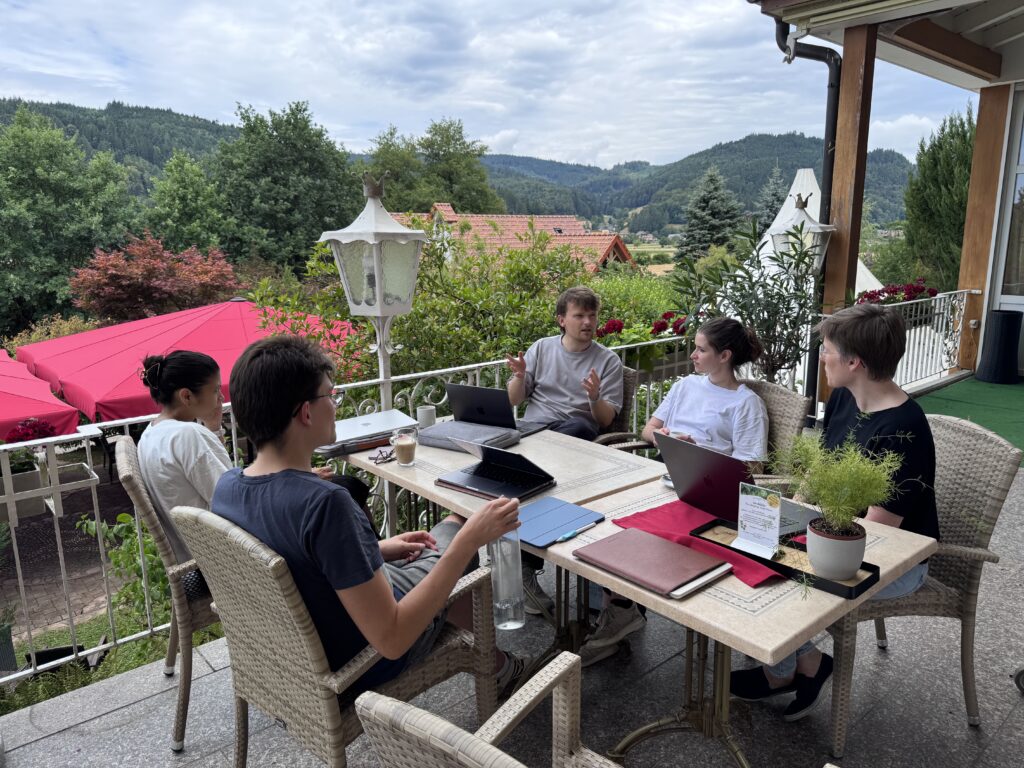
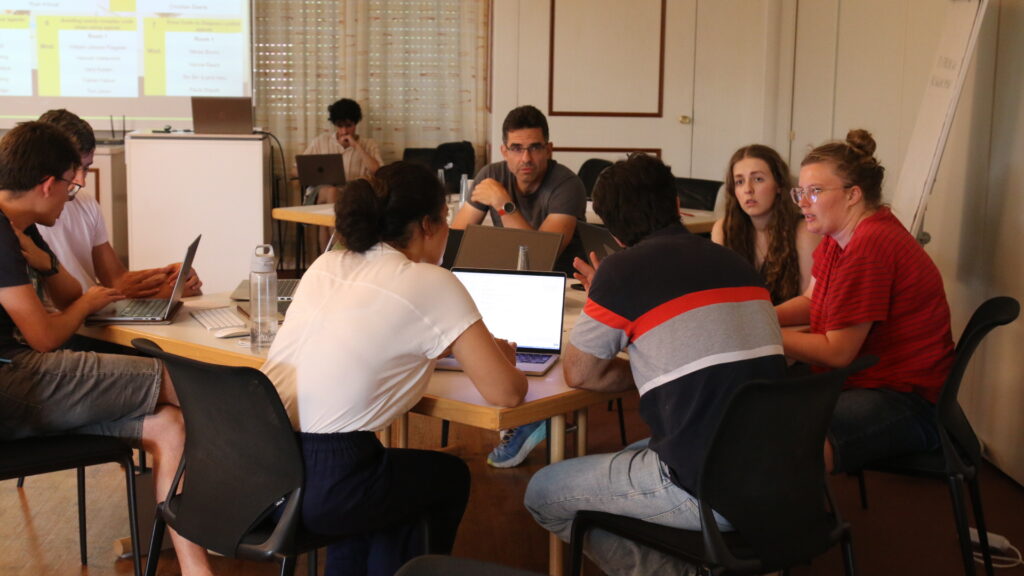
Day 2 continued with WCCD sessions covering peer writing and review, machine learning approaches for psychotherapy research, feature selection and interpretation in complex datasets, condition prediction in biomedical data, and discussions about SmallData Phase 2. Participants also took part in a scientific hiking activity led by Max Behrens, combining movement, and scientific discussion in the surrounding Black Forest landscape. The evening concluded with a pub quiz, designed to foster exchange in an engaging format.
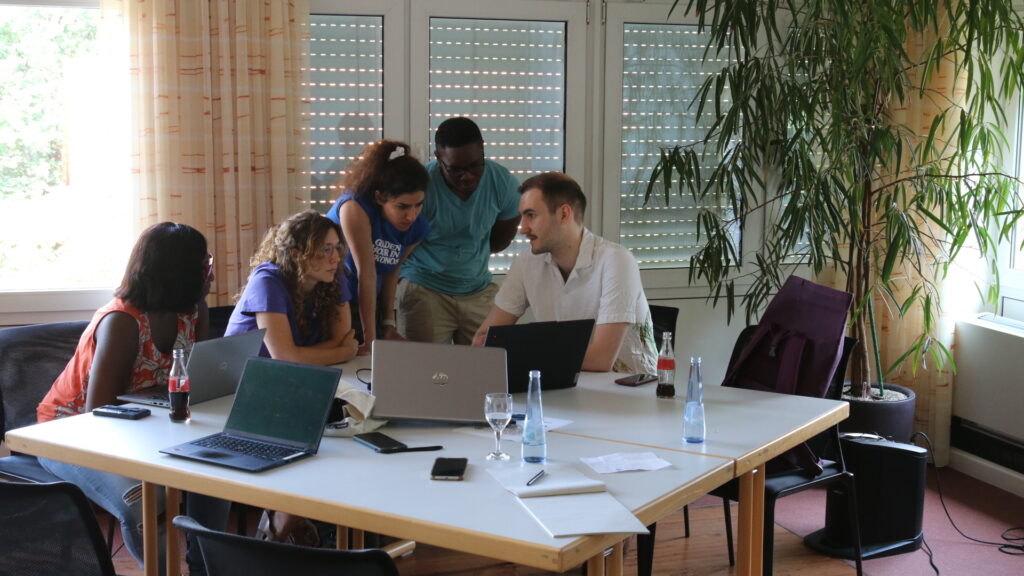
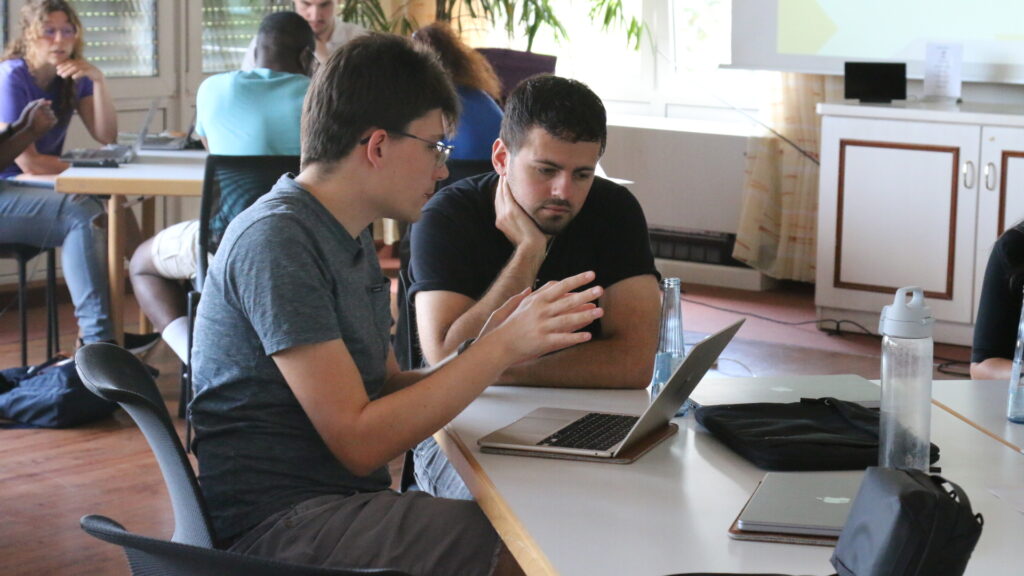
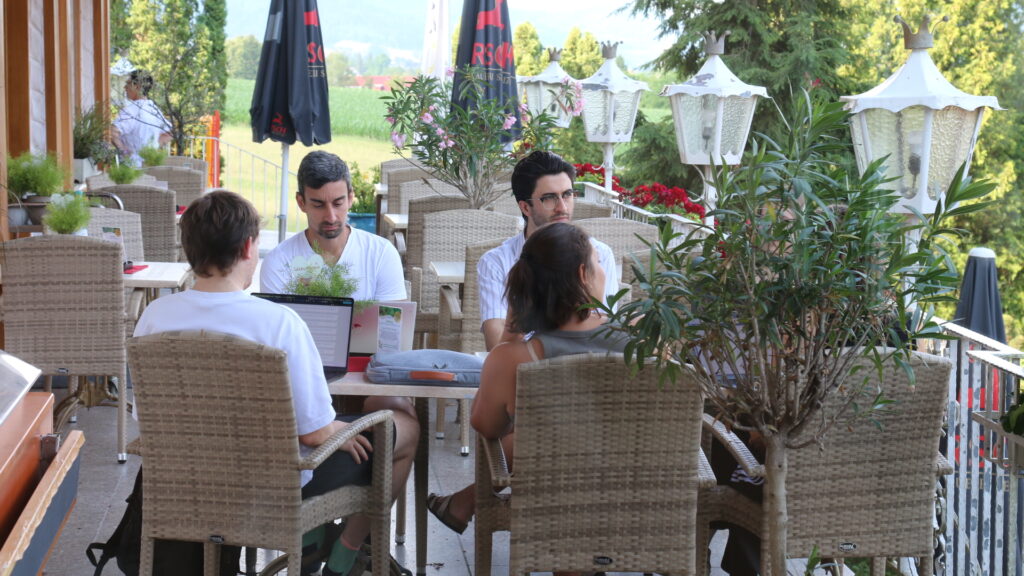
On Day 3, the final WCCD sessions focused on applying coding agents to simulation and embedding models, as well as on career perspectives and life after the PhD. These sessions connected technical experimentation with broader reflections on research practice, professional development, and the skills needed in a rapidly changing scientific landscape.
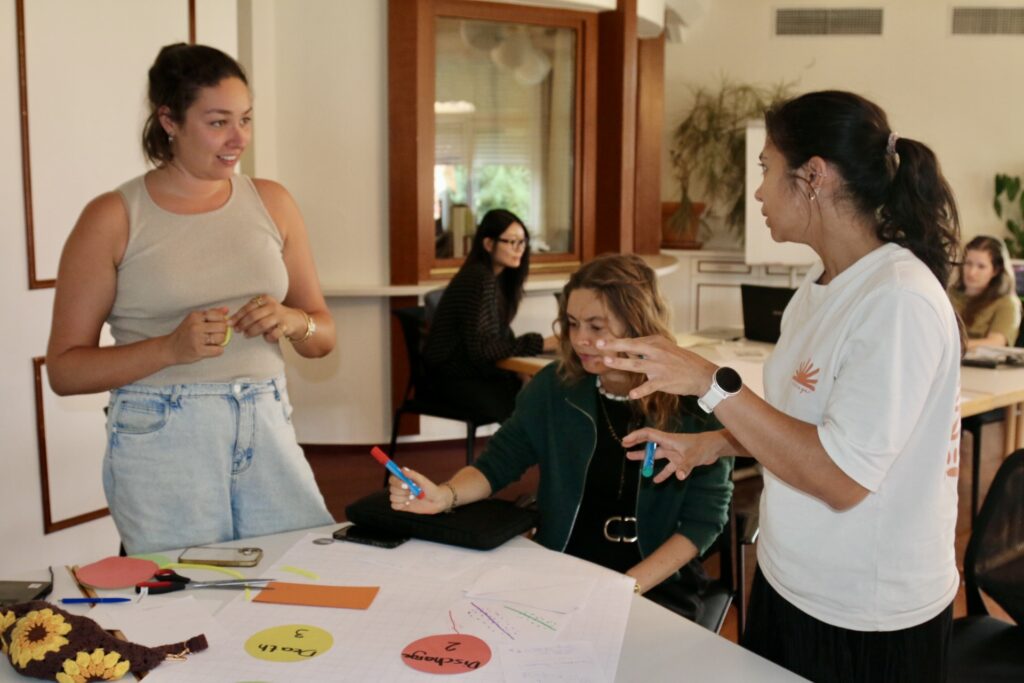
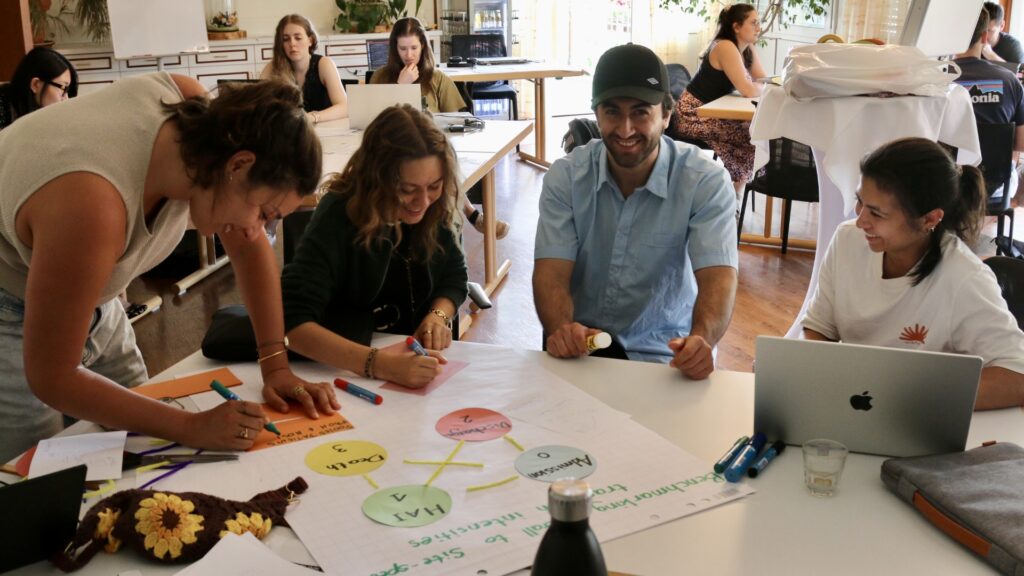
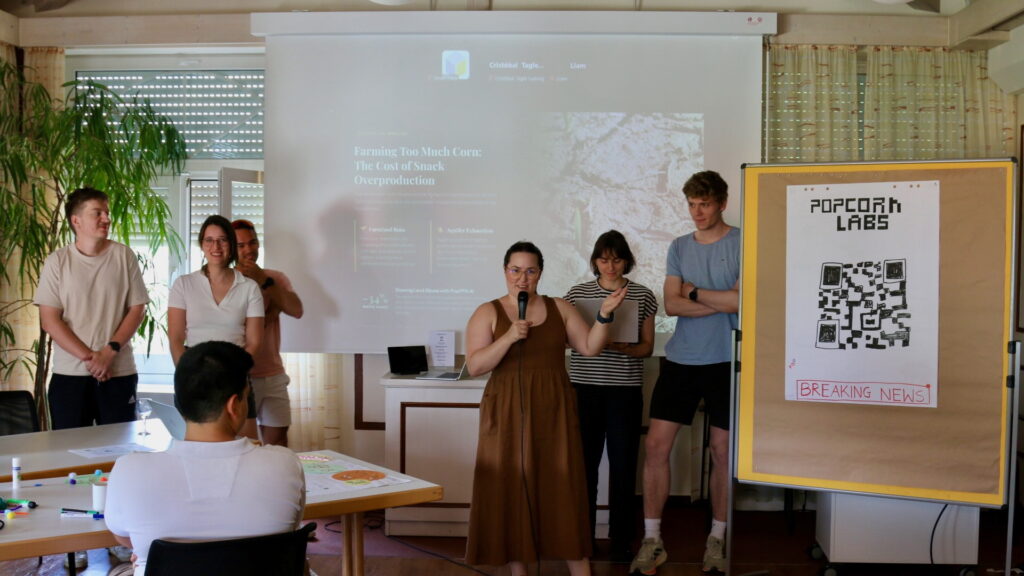
The retreat concluded with “Crazy Ideas from Tomorrow”, a wrap-up format designed to create a forum for reflection on how scientists can adapt to fast-evolving scientific and technological contexts. Participants presented forward-looking ideas developed during the event, including applications of machine learning for optimisation and the use of AI agents for creating scientific graphs and model figures.
Acknowledgements
Across the three days, the SMART Retreat 2026 highlighted interdisciplinary exchange, scientific collaboration, and open discussion on emerging AI tools in research.
We thank the Deutsche Forschungsgemeinschaft (DFG) for funding the retreat and the venue team in Schwarzwald Hotel Silberkönig hosting the group. We also thank the organising committee, participating PIs, early-career researchers and all contributors for making the retreat such an engaging and productive event.
Institute of Medical Biometry and Statistics,
Faculty of Medicine and Medical Center –
University of Freiburg